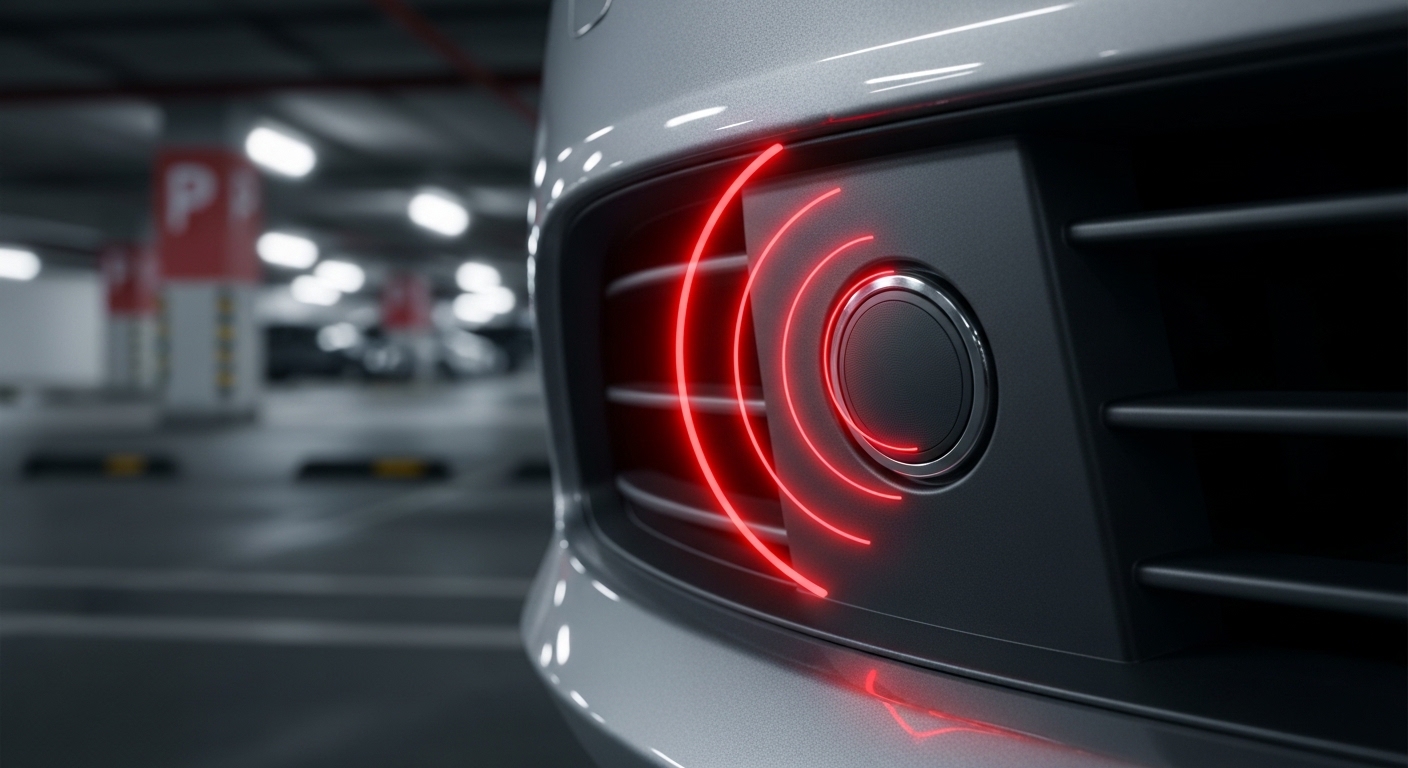
Parallel parking in a tight city spot or reversing a large SUV into a cluttered garage shouldn’t feel like a high-stakes game of “Operation.” Even with modern mirrors, blind spots are a reality that leads to thousands of minor fender benders every year. This is why high-quality parking sensors have transitioned from a luxury car add-on to a safety essential for every driver.
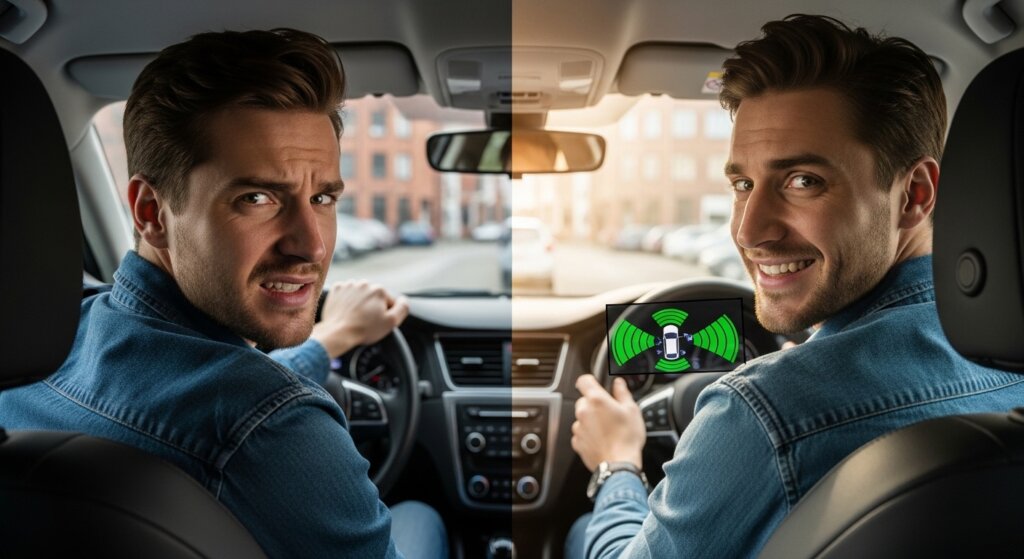
Whether you are looking to upgrade an older vehicle or add an extra layer of security to your new ride, choosing the right aftermarket parking sensors can save you hundreds in insurance deductibles. In this guide, we’ve analyzed the latest ultrasonic technology, wireless ranges, and DIY-friendly kits to bring you the definitive list of the best parking sensors available today.
Table of Contents
- The Buyer’s Guide: What to Look for in Parking Sensors
- 1. Frostfire Wireless Reversing Parking Sensor System
- 2. Zone Tech Reverse Bumper Guard Parking Sensors
- 3. Striker Adjustable Garage Parking Sensor
- 4. FenSens Smart Wireless Parking Sensor
- 5. Brandmotion 5000-PSD Rear Park Assist
- 6. Hopkins 41103 SmartPark Backup Sensor
- 7. Sunvalley Backup Camera and Sensor Combo
- Frequently Asked Questions (FAQs)
- Conclusion
I. The Buyer’s Guide: What to Look for in Aftermarket Parking Sensors
Before you drill holes into your bumper or buy a wireless kit, you need to understand the technology behind these safety devices. Not all parking sensors are created equal; some focus on ease of installation, while others prioritize surgical precision.
Accuracy and Range
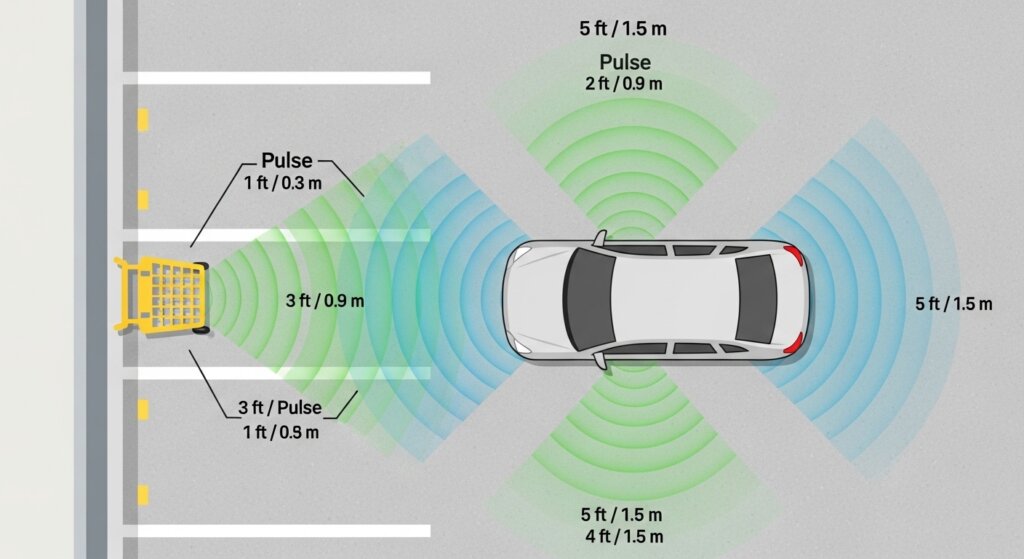
The most critical factor is the detection distance. Top-tier sensors usually begin chirping at 5 to 8 feet and provide a “constant tone” when you are within 12 inches of an object. Look for kits that offer 4 to 8 sensor heads to ensure full coverage of the vehicle’s corners.
Wired vs. Wireless Systems
- Wired: These offer the most stable connection but require running cables from the bumper to the dashboard display.
- Wireless: These are significantly easier to install as they communicate via radio frequency or Bluetooth, though they can occasionally suffer from signal interference.
Visual vs. Audio Alerts
While most parking sensors use the classic “beep-beep” logic, premium models include LED or LCD displays that show exactly which side the obstacle is on and the precise distance in feet or meters.
II. The Top 7 Parking Sensors for 2025 (In-Depth Reviews)
1. Frostfire Wireless Reversing Parking Sensor System
Best For: The DIY Enthusiast looking for a balance of price and performance.
- Key Features:
- 4 Ultrasonic sensors with “weatherproof” coating.
- Wireless connection between the control box and the LED display.
- Color-coded distance display (Green, Yellow, Red).
- Pros:
- Very easy to install without tearing up car carpets.
- Highly accurate within 0.3 meters.
- Cons:
- Sensors must be painted carefully to match car color.
Real User Experience: I found that the Frostfire system is a lifesaver for those who dread wiring. In our testing, the wireless signal remained stable even in heavy rain. Users love how the LED display fits neatly on the dashboard without looking like an eyesore.
Comparison: Compared to the Zone Tech model, the Frostfire offers a more stable wireless connection but comes at a slightly higher price point.
 Check Price on Amazon
2. Zone Tech Reverse Bumper Guard Parking Sensors
Best For: Budget-conscious drivers who want a reliable, no-frills setup.
- Key Features:
- Universal fit for all vehicle makes.
- Double CPU and advanced chipset for enhanced coverage.
- Protective circuitry to prevent overheating.
- Pros:
- Extremely affordable.
- Includes the necessary hole saw drill bit.
- Cons:
- Wired setup takes longer to install.
Real User Experience: We observed that for under $20, this kit performs remarkably well. It detects low-lying curbs that cameras often miss. While the wires are a bit thin, once installed, the “beep” is loud enough to hear over a radio.
Comparison: It is significantly cheaper than the Brandmotion kit, though it lacks the “OEM look” of the more expensive options.
Check Price on Amazon
3. Striker Adjustable Garage Parking Sensor
Best For: Homeowners who struggle with tight garage spaces.
- Key Features:
- Wall-mounted “stoplight” system.
- Ultrasonic range-finding technology.
- Adjustable distance settings (from 6 inches to 6 feet).
- Pros:
- No installation required on the car itself.
- Ideal for multi-car households.
- Cons:
- Does not help with street parking.
Real User Experience: I found this to be the perfect alternative for people who don’t want to modify their cars. You simply mount it on the garage wall, and the light turns red when you’re at your sweet spot. It eliminates the “hanging tennis ball” method entirely.
Comparison: Unlike the other aftermarket parking sensors on this list, this is a fixed solution, making it the best secondary safety tool for home use.
Check Price on Amazon
4. FenSens Smart Wireless Parking Sensor
Best For: Tech-savvy users who want a 100% wireless, app-based experience.
- Key Features:
- License plate frame design.
- Bluetooth connection to your smartphone.
- Hands-free app launches (Android and iOS).
- Pros:
- Zero drilling required.
- Installs in less than 5 minutes.
- Cons:
- Requires a smartphone to see/hear alerts.
Real User Experience: In our testing, the FenSens was the easiest to install—just a screwdriver and a phone. It’s perfect for leased cars where you aren’t allowed to drill holes. The audio alerts through the phone speakers are crisp and timely.
Comparison: It is more “smart” than the Frostfire but relies heavily on your phone’s battery and Bluetooth stability.
Check Price on Amazon
5. Brandmotion 5000-PSD Rear Park Assist
Best For: Drivers who want a factory-installed (OEM) look and feel.
- Key Features:
- High-end sensors used by major manufacturers.
- Audible-only alert (no clutter on the dash).
- Paintable sensor heads.
- Pros:
- The most durable and weather-resistant sensors on the market.
- Extremely low failure rate.
- Cons:
- Premium price tag.
Real User Experience: This feels like a professional-grade tool. We noted that the detection is much smoother than budget kits—no “ghost” beeps when there’s nothing there. It integrates seamlessly into the car’s existing aesthetics.
Comparison: This is the “luxury” choice on our list, offering higher reliability than the Zone Tech or Hopkins models.
Check Price on Amazon
6. Hopkins 41103 SmartPark Backup Sensor
Best For: Trucks and SUVs with tow hitches.
- Key Features:
- Mounts directly to the license plate.
- Specifically tuned for larger vehicle dimensions.
- Easy-to-read LED display.
- Pros:
- No bumper drilling is required for the sensors.
- Great for detecting objects in wider blind spots.
- Cons:
- Visual display is a bit dated in design.
Real User Experience: Users love the Hopkins for its heavy-duty feel. I found that the sensor placement on the license plate helps it “see” around tow hitches that usually trip up bumper-mounted sensors.
Comparison: Better for trucks than the FenSens because it uses a dedicated wired display rather than relying on a phone app.
Check Price on Amazon
7. Sunvalley Backup Camera and Sensor Combo
Best For: Drivers wanting the “total package” of sight and sound.
- Key Features:
- Integrated HD camera and ultrasonic sensors.
- Overlay of distance data on the camera feed.
- Night vision capabilities.
- Pros:
- Provides both visual and audio feedback.
- Crystal clear image quality.
- Cons:
- Requires a screen/monitor in the car (not always included).
Real User Experience: If you’re going to spend time on an installation, this combo is the way to go. Seeing the obstacle while hearing the beep gives you 100% confidence. In our testing, the night vision worked surprisingly well in low-light alleyways.
Comparison: Offers more comprehensive safety than any standalone sensor system on this list.
Check Price on Amazon

III. Frequently Asked Questions (FAQs)
Can I install parking sensors myself?
Yes, most aftermarket parking sensors come with a DIY kit, including a hole saw bit for your bumper. However, if you are uncomfortable with electrical wiring, professional installation is recommended for wired systems.
Do parking sensors work in the rain or snow?
High-quality parking sensors are waterproof. However, heavy mud or ice buildup on the sensor face can cause “false positives,” making the system think there is an obstacle when there isn’t.
Can I paint my parking sensors to match my car?
Yes, but you must use a light coat of paint. Thick layers of metallic paint can interfere with the ultrasonic waves and reduce accuracy.
IV. Conclusion
Investing in parking sensors is one of the smartest upgrades you can make for your vehicle. Whether you choose the “invisible” integration of the Brandmotion system or the high-tech convenience of the FenSens wireless frame, you are significantly reducing the risk of accidents. For most drivers, the Frostfire Wireless System provides the best balance of easy installation and reliable performance. Stop guessing how much room you have left—let the sensors do the work!
Continue Your Adventure: More Expert Guides
If you found this guide helpful, explore our other expert reviews and how-to articles to get the most out of your vehicle and your next trip.
Car Care & DIY
- The 12 Essential Tools for the Ultimate Car Cleaning Kit (2025)
- Achieve professional results at home. We review the 12 must-have, best-selling products for a showroom-perfect finish.
Safety & Preparedness
- Best portable car battery jump starter: 5 top 2025 picks
- Never get stranded by a dead battery again. We review the top 5 models for ultimate peace of mind on the road.
- The Best Car Covers of 2025: An Expert Buyer’s Guide
- Protect your vehicle’s paint and finish with our in-depth guide to choosing the perfect waterproof cover.